Turn Your Loyalty Program Into a Repeat-Visit Engine
A dispensary rewards program should bring people back again and again, not just hand out bigger and bigger discounts. The real power lives in the user experience, how easy it is to join, understand, and actually use the benefits. When that experience feels smooth and fair, customers return because it feels good, not only because it is cheap.
The biggest trouble spots are usually the same: clunky sign-up flows, confusing redemption rules, and limits on stacking that feel random or unfair. These issues show up the most when people stock up for long weekends or settle into fall routines, which is when habits are formed. As a women-owned, experience-focused dispensary group in Los Angeles and Queens, we see loyalty as part of hospitality. The goal is to make people feel welcomed, not worked by a promo system.
Mapping the Modern Cannabis Loyalty Journey
To fix friction, we first need to see the full path a customer takes with a dispensary rewards program. It is not just one sign-up screen, it is a loop of touchpoints that repeat over time.
Key touchpoints often include:
- In-store discovery at check-in or with a budtender
- Online menu browsing on a phone, often while commuting or on the couch
- Same-day delivery checkout where speed really matters
- SMS or email promotions that push the next visit
- Quick budtender conversations about deals at the counter
Friction hides in small details: a slow mobile page that will not load on a weak signal, forms that ask for too much data all at once, unclear opt-in boxes for SMS and email, or different rules printed in-store than what the website shows. These little breaks in trust can stop people from engaging at all.
A simple journey map helps. Start by listing:
- Triggers: payday, a long weekend, a social event, a stressful week
- Actions: browse online, ask a friend, walk into the shop, add items to cart
- Loyalty moments: sign-up, earn points, redeem a reward, refer someone
At Herbarium, we try to line up rewards with real behavior. That means quick sign-ups at checkout, point balances that show right on receipts and order confirmations, and rewards that tie to what people actually buy, like pre-rolls, vapes, and edibles.
Building Friction-Free Sign-up That Still Checks Every Box
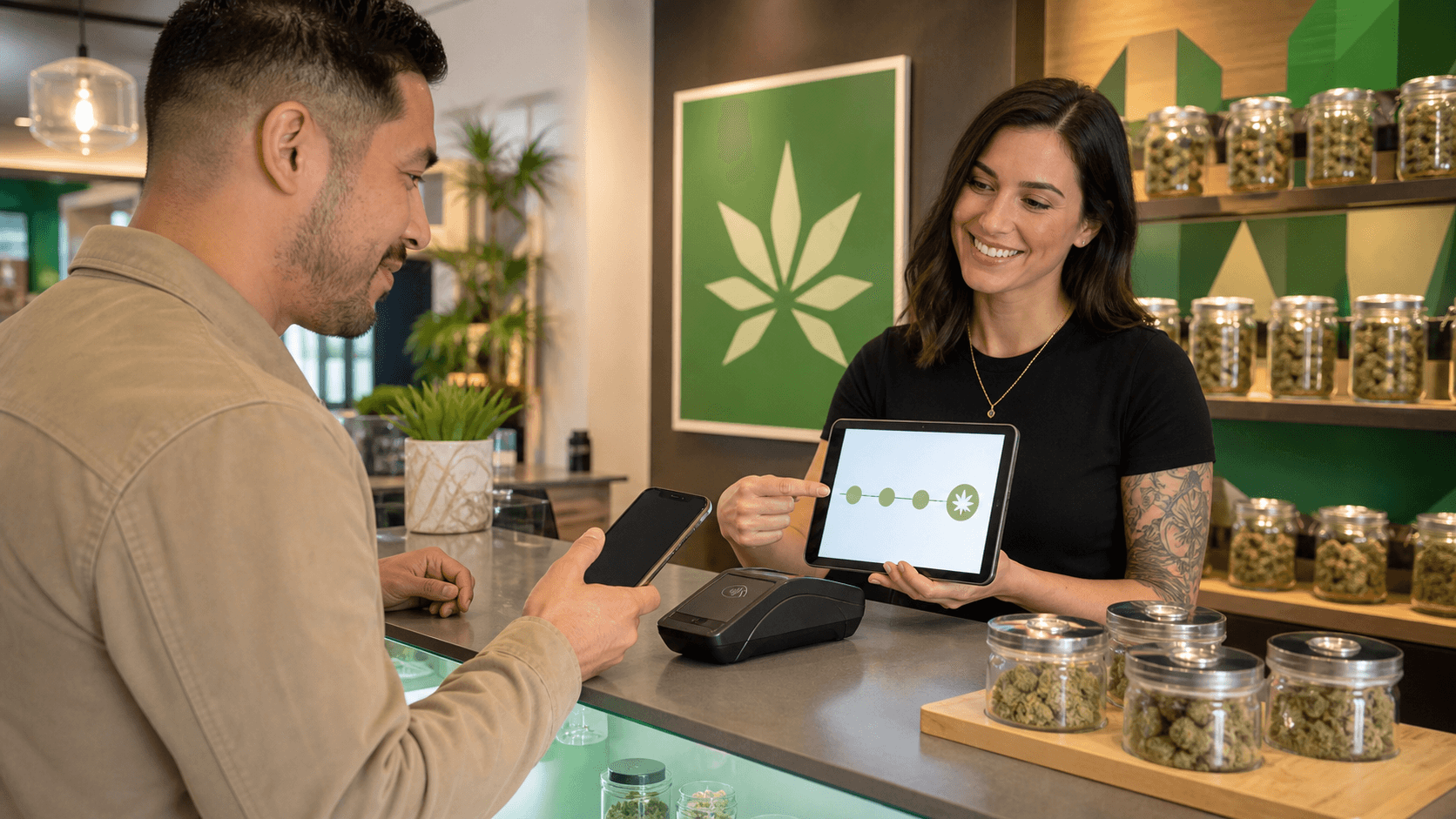
Good sign-up feels almost invisible. The goal is for someone to join in under a minute, whether they are on a tablet at the counter, on their phone at home, or checking out a same-day delivery.
To keep things clear and easy:
- Use plain language about what the program is and is not
- Set expectations for how often they will get texts or emails
- Show an example of what they might earn on a normal visit
We like to keep initial forms light. Name, preferred contact, and consent are enough to start. Then we learn more later. Short, optional questions after a few visits can ask about favorite categories or times of day to shop. This progressive profiling keeps the sign-up from feeling like paperwork.
Compliance is non-negotiable, but it does not have to feel harsh. We separate SMS and email consents and keep age and privacy messaging simple and human. The tone should feel like a friendly budtender explaining, not legal fine print scolding.
Herbarium leans into warm, inclusive language and visuals that match our stores. Our team can complete sign-up during checkout without slowing the line, so guests do not feel put on the spot or rushed into something they do not understand.
Designing Redemption Rules That Feel Generous
If people cannot understand how to use their rewards, they will assume the system is stacked against them. Clear rules help everyone relax.
Focus on transparency:
- How many points equal a real reward
- When, if ever, rewards expire
- Which items or brands are excluded
Redemption should feel simple whether someone is ordering online or standing at the register. That means one-tap use of rewards in the cart and visible prompts before the final checkout screen. In-store, a short message like "You have $10 in rewards available" on the POS or receipt goes a long way.
We also design for emotional win moments. Giving people the chance to earn a fun, small treat by their second or third visit builds positive association fast. Waiting months for a first reward makes the program feel like a grind instead of a perk.
During peak times, like busy summer and fall weekends, staff training matters. We keep:
- Clear counter signage with simple reward examples
- Quick guides behind the counter with common Q&A
- Short scripts so budtenders can explain rules in under half a minute
At Herbarium, we like to offer tiers of redemptions, from small treats to bigger savings, and call out seasonal rewards on our menu. We send gentle reminders when someone is close to a reward, so that good feeling does not get lost.
Creating Smarter Stacking Rules That Build Trust
Nothing kills a vibe at checkout like a discount dropping off without warning. Stacking rules need to be simple, fair, and clearly shown in both digital and in-store spaces.
We recommend:
- Explaining when loyalty, daily deals, and promo codes can be combined
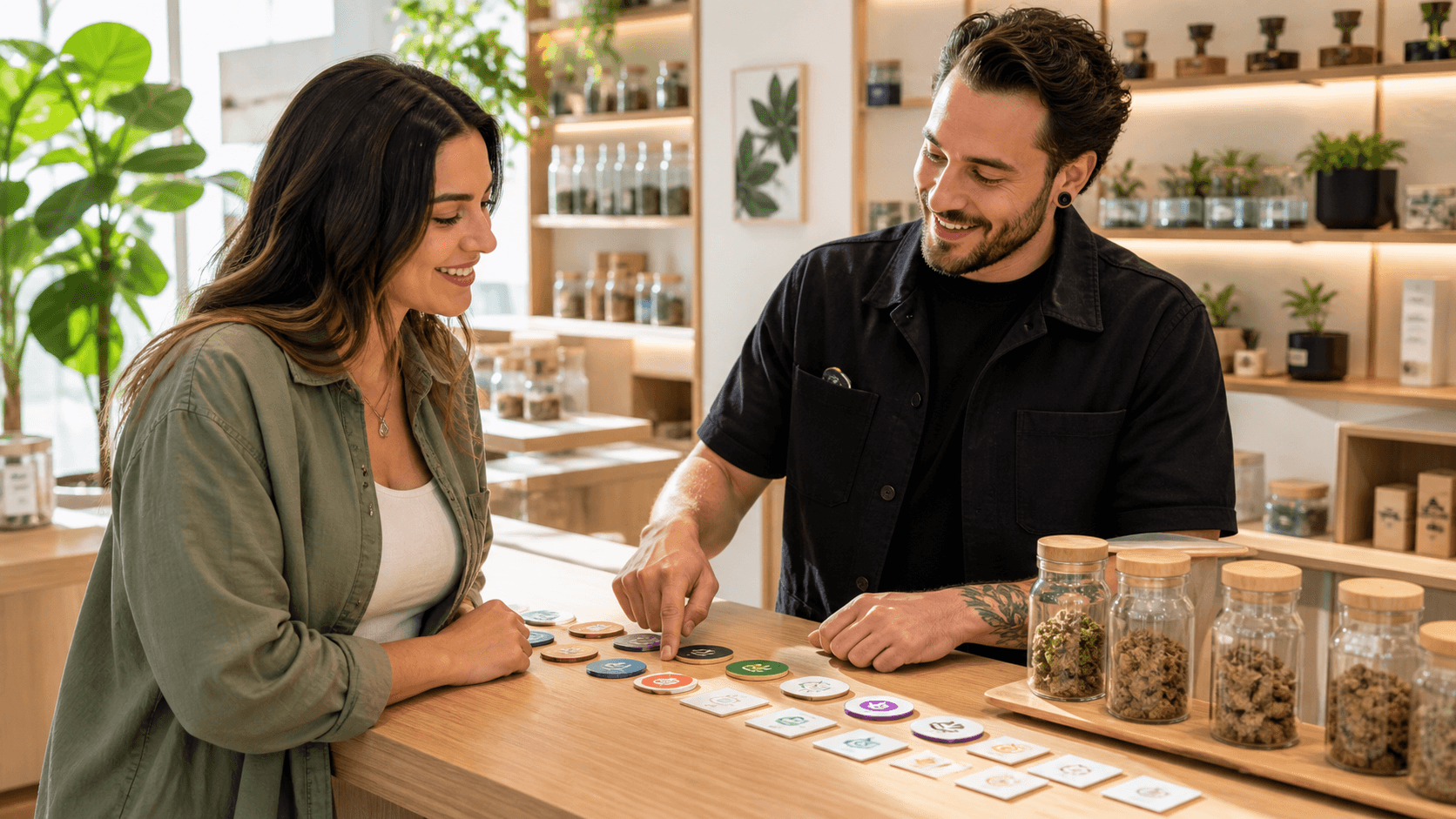
- Showing basic visual charts in-store and online to make it obvious
- Avoiding tiny footnotes that change the rules at the last second
Instead of a hard "cannot combine discounts" wall, try strategic stacking. You can allow stacking:
- On slow weekdays to boost traffic
- On specific categories that have more margin
- For higher-tier members as a clear perk
We also like to test rewards that improve the experience instead of just cutting deeper into price. Early access to drops, express checkout lines, birthday surprises, and invite-only education events all build loyalty without training people to only chase the biggest discount.
Your e-commerce setup must reflect your rules correctly. If offers vanish at the last step without warning, trust drops fast. At Herbarium, we experiment with pairing loyalty rewards with new-brand trials or off-peak hours, so guests discover something new while we keep margins healthy.
Measuring What Matters and Running Your Own UX Audit
To know if your dispensary rewards program is working, look beyond total discount spend. Helpful metrics include:
- How many people who see the program actually enroll
- What percent of members stay active
- How often members come back compared to non-members
- Average order value for members
- How often rewards get redeemed
Watch behavior around key dates like long weekends and major cannabis holidays. Small UX tweaks that reduce friction during those times can shift habits in a big way. Cohort analysis helps too. Compare people who joined loyalty to those who did not, and track how changes like a simplified sign-up flow or clearer redemption prompts change behavior over time.
Your team has important insight here. Quick weekly check-ins with budtenders about what customers find confusing or exciting will point you to the next UX fix faster than any report.
At Herbarium, we pay close attention to what loyalty members choose, like whether they lean toward vapes, flower, or edibles. Then we tune rewards and in-store education around those patterns. When a program feels tuned to real people, not just numbers, it naturally turns into a repeat-visit engine.
Start Earning More From Every Visit Today
Join our dispensary rewards program to turn every purchase at Herbarium into points you can redeem for savings and special perks. It takes just a moment to sign up, and you can start earning rewards on your next order. If you have questions about getting started or need help with your account, please contact us.