Decode Your Next Jar: Why Labels Matter More Than Hype
Reading a cannabis label carefully can shape your experience. When menus are packed with bright colors and big THC numbers, it is easy to grab the highest percent and hope for the best. That is how many people end up with a product that feels too strong, too sleepy, or just not quite right.
When you slow down and read the label with intention, you start to shop on purpose. You can match what you buy to your mood, your plans, and your tolerance. You also make better use of your budget, because you stop paying for hype and start paying for effects you actually enjoy.
On a cannabis package, accurate lab results, clear cannabinoid and terpene info, and honest dates work together to tell you what is really in the jar. Once you know how to read that story, your sessions tend to feel more predictable, more consistent, and easier to dial in.
Beyond THC Percent: Understanding the Full Cannabinoid Story
THC is only one part of the picture. It is important, but it is not the whole story for how a product may feel in your body and mind.
On a label, you might see:
- THC: Often associated with euphoria and a stronger high
- CBD: Often associated with a calmer, gentler feel
- CBG: Sometimes described as clear and alert
- CBN: Often found in older flower and in products marketed for rest
- THCV: Sometimes used in products meant to feel lighter or more focused
You may also see THC and THCA. THCA is the raw form in the flower. When you heat it, it converts into THC. Many labels show:
- THC
- THCA
- Total THC
Total THC gives you a better idea of potential strength once smoked or vaped. Two jars can both list a similar THC percentage, but if the rest of the cannabinoid profile is different, the experience can feel very different too.
Some practical ways to use this when you shop:
- For low-key evenings: Look for balanced THC:CBD flower or lower THC with a bit of CBN if that is something you tend to enjoy.
- For social time: Lower-dose vapes or products with lower THC can help you stay present without feeling overwhelmed.
- For experienced users: Higher THC with a clear lab breakdown helps you understand what you are getting into, instead of guessing based only on a strain name.
When you read the full cannabinoid panel, you gain more control. You are choosing a type of experience, not just a number.
Terpenes Are Your Flavor and Feel Guide
Terpenes are the smell and flavor molecules in cannabis. They can also play a role in how a product feels, especially when combined with THC and other cannabinoids.
Many people think of terpenes like an aroma and effect fingerprint. Common ones listed on detailed labels include:
- Myrcene: Earthy or musky, often linked with more body-heavy, relaxing effects
- Limonene: Citrus and bright, often linked with uplifted mood and energy
- Pinene: Pine and fresh, sometimes linked with clear-headed focus
- Linalool: Floral, sometimes linked with calm and rest
- Caryophyllene: Peppery or spicy, often found in strains people describe as soothing or comforting
In cooler months, many people lean toward earthy, piney, or spicy terpene profiles that feel grounding. Others prefer crisp citrus for daytime focus or creative work. The key is noticing your own patterns.
Here is how to use terpene info when you shop:
- Look for the top three terpenes listed on the label or shelf tag.
- Notice their percentages, not just their names. Even 1 or 2 percent can shape the feel.
- When you like a product, jot down its top terpenes.
Later, if that brand rotates or the strain name changes, you can look for similar terpene profiles to approximate the same effect. This keeps you from chasing trendy names and helps you stay focused on how you actually want to feel.
Dates, Storage, and Freshness: Reading Time on the Label
Cannabis is a plant, and plants change over time. Labels often list:
- Harvest Date: When the plant was cut down
- Packaging Date: When it was put into the jar, bag, or pre-roll
- Best By or Use By: A suggested freshness window
As cannabis sits, terpenes can fade, flower can dry out, and the smoke can feel harsher. Potency may shift as THCA breaks down and some cannabinoids change form. Dry indoor air and heaters can make this worse if storage at home is not ideal.
Simple freshness tips:
- Aim for flower that was harvested and packaged within a reasonable time frame, rather than something that has been sitting for a very long time.
- For pre-rolls, fresher is usually smoother, since they tend to dry out faster.
- Store your cannabis in an airtight container, in a cool, dark spot away from direct heat.
- Avoid leaving jars open on tables or near windows, even if they look nice there.
Reading dates helps you pick products that still taste and feel vibrant, rather than stale or flat.
Lab Tests, Compliance, and Red Flags to Watch
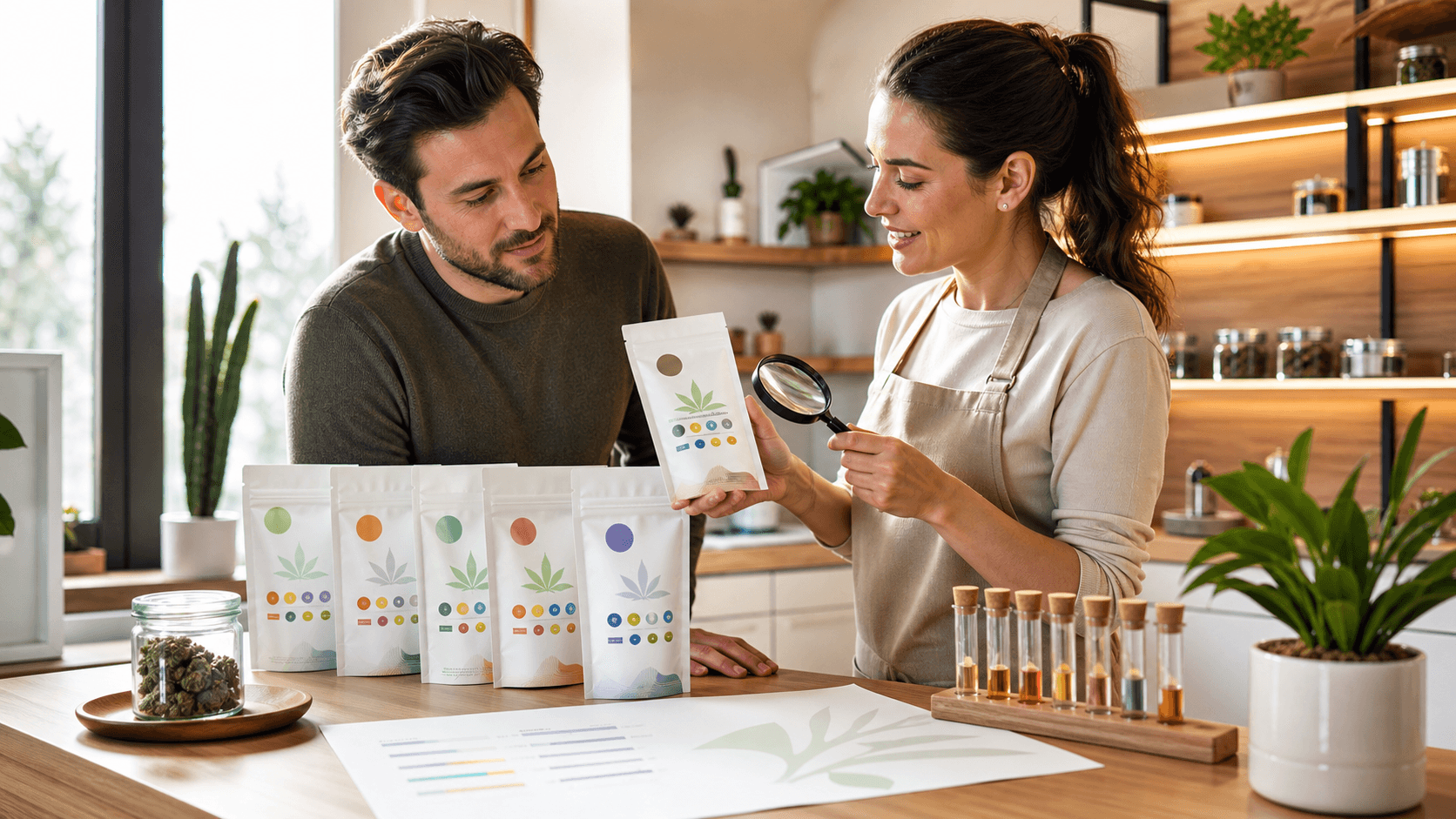
A certificate of analysis, or COA, is the lab report behind the label. On the package or a scannable code, you might see:
- Cannabinoid profile: THC, CBD, and others with their percentages
- Terpene profile: Often listed for products that highlight aroma and effect
- Safety tests: Pesticides, heavy metals, residual solvents, and microbes
When you are shopping, it helps to:
- Look for clear batch numbers and test dates.
- Use QR codes on packages when available to see full results.
- Make sure the info on the shelf tag matches what is on the package.
Red flags can include:
- No lab info at all, just generic claims like "tested for safety" with no details
- Big THC numbers on a shelf tag that do not match the printed label
- No scannable access to deeper lab results when the package suggests there should be more info
Products that clearly share lab testing details support your ability to make informed choices about what you inhale or eat. Quick label checks can help your decisions feel more confident and thoughtful.
Shopping with Label Knowledge
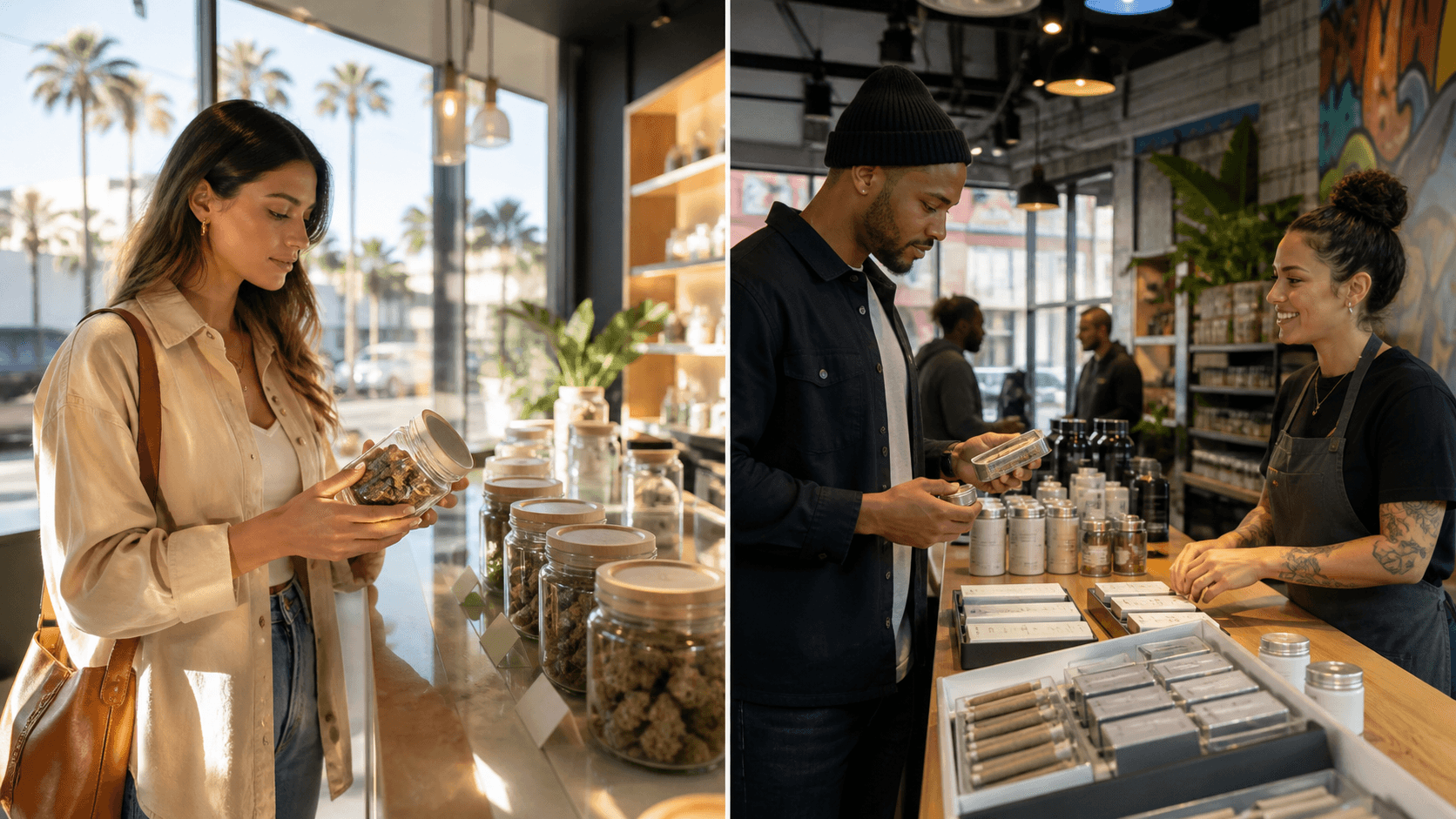
Once you understand what labels are saying, shopping shifts from guessing to choosing. Imagine a visit or delivery order where you are picking between two jars of flower that sound similar. Both are hybrid, both have comparable THC. Instead of grabbing the one with the slightly higher number, you can compare:
- Total THC and other cannabinoids like CBD or CBG
- Top three terpenes and their percentages
- Harvest and packaging dates
Maybe one jar has myrcene and caryophyllene as the top terpenes, with a recent harvest date. The other has limonene and pinene, but is older. If you want a quiet night in, that myrcene and caryophyllene combination with fresher dates might be the better fit. If you want something bright for a daytime walk, limonene and pinene might be more appealing, as long as the age still looks reasonable.
It also helps to keep simple notes. After a session, write down:
- Product name and brand
- THC and CBD levels
- Top terpenes
- How it made you feel and what you were doing
Next time you shop, you can share those notes with a budtender and use the label info to fine-tune your choices. Over time, your stash becomes more personal, more consistent, and less random. You are not just buying cannabis; you are building a routine that better fits your life.
Discover Your Ideal Cannabis Experience With Herbarium
Explore our carefully curated strains, edibles, and concentrates at any Herbarium premium cannabis dispensary to find what truly fits your lifestyle and needs. Our knowledgeable team is ready to answer your questions, guide your selections, and help you feel confident in every purchase. Have specific requests or need personalized support before you stop in? Simply contact us so we can help you prepare for your next visit.